
How Difficult Is the Everest Base Camp Trek? An Honest Guide for First-Time Trekkers
- 19-Nov-2026
- 0
Almost everyone who books the Everest Base Camp trek asks the same question: can I actually do this?
The honest answer is yes, most healthy people can. But “doable” isn’t the same as “easy.” The trek is long, the air gets thin, the nights are cold, and the comforts of home fade with every day you climb.
Here’s what surprises many first-timers: success isn’t decided by fitness or age alone. Super-fit young trekkers turn back every season, while sixty-year-olds who walk slowly reach Base Camp with a smile. The real difference is mental determination, backed by a few simple daily habits.
How Hard Is It? The Short Answer
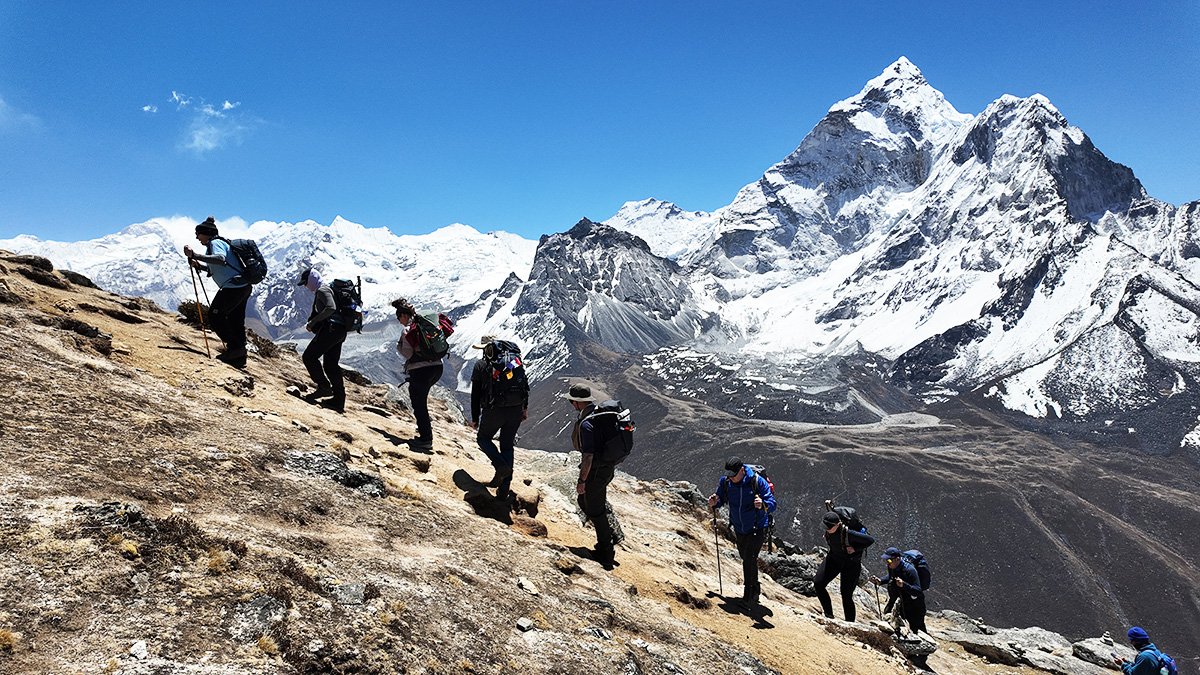
The Everest Base Camp (EBC) trek is graded moderate to challenging. It’s not a technical climb, so you don’t need ropes, ice axes, or mountaineering experience. The trail is a well-used footpath that local people, porters, and yaks walk every day.
What makes it hard is the combination of:
- Altitude: you sleep above 5,000 m at least once.
- Duration: 11–12 days of walking, often back to back.
- Conditions: cold nights, basic lodges, and dust.
- The mind: staying patient and positive when your body is tired.
Key Numbers at a Glance
- Start: Lukla, about 2,860 m
- Highest overnight stop: Gorak Shep, about 5,164 m
- Everest Base Camp: about 5,364 m
- Highest viewpoint: Kala Patthar, about 5,545 m
- Distance: roughly 130 km round trip from Lukla
- Duration: 12–14 days on the trail, plus travel and buffer days
- Walking time: usually 5–7 hours a day
It’s Not Just Fitness or Age: It’s Mental Determination
Every experienced Himalayan guide will tell you the same thing: this trek is won in the mind as much as in the legs.
What usually stops people isn’t age or a lack of fitness. It’s rushing because they feel strong, losing motivation on a cold morning, worrying about every small headache, or slowly running down because they don’t eat, drink, or sleep enough.
Around day seven or eight, most trekkers hit a low point. The air is thin, the mornings are freezing, and your legs feel heavy. Knowing this moment will come is half the battle. It’s normal, it passes, and it becomes part of your story.
Think positive. Focus on the view, not the distance left. Celebrate small wins like reaching Namche or your first view of Everest. Share a laugh with your group at the teahouse stove.
Don’t overthink. A mild headache at 4,000 m is common and doesn’t automatically mean danger. Learn the warning signs once, tell your guide honestly how you feel, then trust the plan. Overthinking wastes energy and steals the joy of the journey.
Altitude: The Challenge You Can’t Rush
At Base Camp, each breath holds roughly half the oxygen you’d get at sea level. Your body can adapt, but only if you give it time.
Know the Symptoms
Acute Mountain Sickness (AMS) is common on this trek. Mild AMS feels like a bad hangover: headache, nausea, loss of appetite, tiredness, dizziness, and poor sleep. It usually improves with a rest day and no further ascent.
In rare cases it can become life-threatening:
- HAPE (fluid in the lungs): breathlessness even at rest, a wet cough, extreme fatigue.
- HACE (swelling of the brain): confusion, stumbling, loss of coordination, unusual behaviour.
Immediate descent is the best medicine. According to the Wilderness Medical Society guidelines, the most important treatment for altitude illness is descending 300–1,000 m. Never sleep higher if your symptoms are getting worse.
Prevention Is Better Than Cure
Altitude sickness can affect anyone. Fitness doesn’t protect you, and young, fit trekkers are often at higher risk because they walk too fast.
The standard medical advice, also set out in the CDC Yellow Book, is to avoid going “too high too fast.” Above about 3,000 m, try not to raise your sleeping altitude by more than 300–500 m a day, and take an extra acclimatization day every 3–4 days. On the EBC route, that usually means rest days in Namche Bazaar (3,440 m) and Dingboche (4,410 m). On these days you still hike a little higher, then return to sleep lower.
Acetazolamide (Diamox) can help some trekkers acclimatize. It’s a prescription medicine, so discuss it with your doctor before you travel.
The Himalayan Rescue Association runs an aid post in Pheriche with volunteer doctors during the trekking seasons, which is a useful place to get advice on the trail.
The Daily Habits That Decide Your Trek
Walk Slowly and Never Compete
In the Khumbu you’ll often hear bistarai, bistarai, meaning “slowly, slowly.” Walking slowly is the single best way to succeed at high altitude. Take multiple short breaks to drink, breathe, and enjoy the views. If you can’t hold a conversation, you’re going too fast.
Be careful of overconfidence. Trekkers who feel strong and hike fast in the first few days are often the ones who get sick, sometimes as low as Namche Bazaar. Don’t compete with anyone. Listen to your guide, and listen to your body.
Drink at Least 4 Litres of Warm Water a Day
The dry, thin air dehydrates you fast, and dehydration makes altitude symptoms worse. Aim for at least 4 litres of plain water daily, with tea and soup on top.
- Drink it warm higher up. Cold water irritates a throat dried out by cold air and can trigger coughing.
- Don’t save money on boiled water. Many trekkers avoid paying for it and drink cold, untreated water instead, then get sick or start coughing. In Tengboche, Pheriche, Dingboche, Lobuche, and Gorak Shep, buying boiled water is a small price for your health.
- Use purification tablets or a filter as a backup, and never drink untreated stream water.
- Pale urine means you’re drinking enough.
Eat Well, Eat Clean, and Eat Vegetarian
Altitude reduces your appetite, but your body needs fuel. Eat three proper meals a day, even when you’re not hungry.
- Go vegetarian. It’s fresher and easier on your stomach in the mountains.
- Choose freshly cooked, easy-to-digest food like dal bhat, soups, boiled potatoes, and porridge.
- Avoid oily and fried food such as fried rice, fried noodles, and chips.
- Wash or sanitise your hands before every meal.
Avoid meat at high altitude. Animals aren’t slaughtered in the Khumbu, a largely Buddhist Sherpa region. Meat is carried up from villages far below over several days, usually without refrigeration and often in unhygienic conditions. Food poisoning at 4,500 m can end your trek.
Be careful in Kathmandu too. Every season, some trekkers start the trek already sick from something they ate in the city. Before you fly, eat at clean, reputable restaurants, skip street food and adventurous local dishes, and be careful with ice and raw salads.
Sleep Well
Sleep is when your body recovers and adapts, but at altitude it’s often light and broken. Help yourself with a sleeping bag rated to around -15°C, a warm hat, earplugs, and early nights. Avoid sleeping pills, which can suppress breathing at altitude.
Avoid Alcohol, Smoking, Excess Caffeine, and Showers
- Alcohol at high altitude puts you in a genuinely dangerous situation. It dehydrates you, disturbs breathing during sleep, and can mask altitude sickness.
- Smoking reduces the oxygen your body can use when it’s already scarce.
- Caffeine dehydrates you, so keep coffee and tea to a minimum.
- Showers higher up aren’t a good idea. Rooms are freezing, water is often barely warm, and it’s easy to get chilled. Use wet wipes until you’re back down.
Protect Your Face From Dust and Cold Wind
Many trekkers develop the Khumbu cough, a dry, irritating cough caused by cold, dry air and dust. Cover your face with a buff whenever you walk, especially on dusty sections, when yak trains pass, and in strong wind.
The Trail, Weather, and Teahouse Life
The trail follows river valleys with plenty of ups and downs, suspension bridges, and rocky moraine. The hardest sections for most people are:
- The climb to Namche Bazaar: steep and sustained, and it comes early.
- The Thukla Pass: a steep push toward Lobuche, lined with climbers’ memorials.
- Lobuche to Gorak Shep and Base Camp: rough, rocky ground above 5,000 m.
- Kala Patthar: a pre-dawn climb in freezing temperatures.
The descent takes three to four days and is hard on the knees, so trekking poles help.
Best seasons: spring (March–May) and autumn (late September–November) offer the most stable weather. Winter is very cold, and the monsoon (June–August) brings rain, cloud, and flight disruptions. At Lobuche and Gorak Shep, night temperatures can drop to -10°C or lower even in the main seasons.
Teahouses are simple family-run lodges with small twin rooms, thin walls, shared toilets, and a warm dining room. Hot showers, Wi-Fi, and charging usually cost extra, and prices rise with altitude. It’s basic, but knowing this in advance helps you accept it with a smile.
Trekking Gear: Prepare Well, Don’t Overspend
Your gear depends on the season. Spring and autumn need a good down jacket and a sleeping bag rated to around -15°C. Winter needs heavier layers, and the monsoon needs good rain gear. Ask your trekking company for a packing list for your exact dates.
The essentials: broken-in trekking boots, base layers, a fleece, a down jacket, a waterproof shell, a warm sleeping bag, a warm hat, gloves, a buff, UV sunglasses, sunscreen, trekking poles, a 30–40 litre daypack, a duffel bag for your porter, two water bottles, a headlamp, and a small first-aid kit.
Branded or “okay” quality? If you trek often, branded gear is a good investment. If EBC is a one-time trek, “okay” quality gear that’s warm and fits well is perfectly fine. The one exception is boots: bring comfortable, broken-in boots from home.
Buy in Kathmandu. Thamel, Kathmandu’s main tourist area, is full of trekking shops, and buying there is often cheaper than buying at home. Renting is not as cheap as many people expect: rental fees are charged per day and you usually leave a deposit. For a two-week trek, buying “okay” quality gear often costs about the same as renting, or less. Either way, compare prices at two or three shops, bargain politely, and check zips and stitching.
Why an Organized Trek With a Guide and Porter Is Best
For first-timers, the best decision you can make is to join an organized trek with a professional, licensed guide and a porter. It’s about safety, not luxury.
A good guide sets a safe pace, spots early signs of altitude sickness, handles permits and teahouse bookings, makes decisions in emergencies, and keeps you motivated on hard days. A porter carries your main bag, so you walk with a light daypack and save your energy for acclimatizing.
Choose Your Guide Carefully
Your guide plays a key role in your success: how they set your pace, how they care for you, and how they guide you every day. Picking a random guide is not a good idea. Book through a registered, reputable company, check the guide’s licence and experience on the Everest route, read recent reviews, and confirm there’s a clear emergency plan.
Talk to Your Guide Openly
Share how you feel every day: your energy, sleep, appetite, and any headaches. Don’t hide symptoms for fear of slowing the group down. Honest, early communication keeps small problems from becoming serious.
A note on the rules: Nepal introduced a mandatory guide rule for most trekking regions in April 2023, but the local Khumbu Pasang Lhamu Rural Municipality has said guides aren’t compulsory in the Everest region. Rules can change, so check the latest from the Nepal Tourism Board before you go. Either way, a professional guide is strongly recommended.
Permits, Drones, and Lukla Flights
Permits
Foreign trekkers need two permits:
- Sagarmatha National Park entry permit: NPR 3,000 plus VAT, available in Kathmandu or at the park gate in Monjo.
- Khumbu Pasang Lhamu Rural Municipality permit: around NPR 3,000, collected in Lukla or Monjo.
The TIMS card isn’t required in the Everest region. Fees can change, so check them shortly before you travel. The park is also a UNESCO World Heritage Site, so please follow its rules and carry your rubbish out.
Thinking of Bringing a Drone?
Flying a drone inside Sagarmatha National Park needs special permission, involving registration with Nepal’s aviation authority and approval from the park authorities. It’s slow, not guaranteed, and expensive, and park officials have seized drones flown without permission. For most trekkers it isn’t worth it. Cameras, phones, GoPros, handheld DJI cameras like the Osmo Pocket, and professional cameras need no special permit. Keep spare batteries warm in an inside pocket, as the cold drains them fast.
Lukla Flights and Buffer Days
In the busy spring and autumn seasons, most Lukla flights leave from Manthali Airport in Ramechhap, a 4–5 hour drive from Kathmandu. Flights only operate in good visibility, and weather delays of a day or more are common.
Keep at least two or three buffer days at the end of your trip before your international flight. With them, a cancelled flight is just a relaxed extra day in Lukla. Without them, it’s a stressful race against your ticket home. If everything runs on time, use the spare days to explore Kathmandu or celebrate.
Who Can Do It, and How to Prepare
People from teenagers to trekkers in their 60s and 70s reach Base Camp every season. You’re a good candidate if you can hike 5–7 hours with a light pack, are in generally good health, and are willing to walk slowly. See a doctor first if you have heart or lung conditions, high blood pressure, diabetes, a history of altitude illness, or are pregnant.
Start training 8–12 weeks before your trek:
- Cardio: 3–4 sessions a week of brisk walking, cycling, or running, building to 45–60 minutes, with hills or stairs.
- Long hikes: a weekly 4–6 hour hike with a 5–7 kg pack, ideally on back-to-back days, in your trekking boots.
- Strength: squats, lunges, step-ups, and downhill stair work to protect your knees.
- Mind: expect discomfort, practise walking slower than feels natural, write down why this trek matters to you, and build the habit of drinking plenty of water.
Quick Checklist for First-Time Trekkers
- Book with a registered company and choose your guide carefully.
- Pick a 12–14 day itinerary with acclimatization days.
- Keep 2–3 buffer days at the end for Lukla flights.
- Eat at clean restaurants in Kathmandu before the trek.
- Drink at least 4 litres of warm, boiled water daily.
- Eat fresh vegetarian meals and avoid oily food and meat.
- Walk slowly, take breaks, and never compete.
- Tell your guide honestly how you feel every day.
- Avoid alcohol, smoking, excess caffeine, and showers up high.
- Cover your face with a buff against dust and cold wind.
- Buy “okay” quality gear in Thamel and compare prices.
- Leave the drone at home unless you have a permit.
- Get travel insurance covering trekking to 6,000 m and helicopter evacuation.
- Carry enough cash, as ATMs are limited beyond Namche Bazaar.
- Descend immediately if symptoms worsen. Prevention is better than cure.
Final Thoughts
So, how difficult is the Everest Base Camp trek? For a healthy first-timer who prepares well, it’s challenging but very achievable.
The trek gives you far more than a photo at the Base Camp rock: Sherpa villages, prayer flags, Tengboche Monastery beneath Ama Dablam, and sunrise over Everest from Kala Patthar. Many trekkers say the biggest thing they brought home was a new belief in what they’re capable of.
Go with a determined, positive mind, good daily habits, a slow pace, a trusted guide, and a few buffer days. Do that, and there’s a very good chance you’ll stand at the foot of the world’s highest mountain, wondering why you ever doubted yourself.
Frequently Asked Questions
Can a beginner do the Everest Base Camp trek?
Yes. No climbing skills are needed. Train for a couple of months, choose a 12–14 day itinerary, and trek with a professional guide and porter.
Is age a barrier?
Not usually. Good health, a doctor’s check-up, a slow pace, and determination matter more than age.
What is the hardest part?
The stretch from Lobuche to Gorak Shep and Base Camp, plus the pre-dawn climb up Kala Patthar, all above 5,000 m.
What is the best treatment for altitude sickness?
Immediate descent. But prevention is better than cure: walk slowly, acclimatize, stay hydrated, and tell your guide how you feel.
Do I need oxygen?
No. Supplemental oxygen isn’t normally used on the EBC trek. Many guides and lodges keep it for emergencies.
Can I drink alcohol on the trek?
It’s best not to. Save it for your celebration in Kathmandu.
Should I buy or rent gear in Kathmandu?
For most first-timers, buying “okay” quality gear in Thamel is the better deal. Compare prices at two or three shops first.
How much do the permits cost?
About NPR 6,000 in total for foreign trekkers. Check current rates before you travel.
Useful Official Resources
- CDC Yellow Book: High-Altitude Travel and Altitude Illness
- CDC: Travel to High Altitudes
- Wilderness Medical Society altitude illness guidelines (AAFP summary)
- Himalayan Rescue Association Nepal: Pheriche Aid-Post
- Nepal Tourism Board: Trekking in Nepal
- Department of National Parks and Wildlife Conservation: Sagarmatha National Park
- UNESCO World Heritage: Sagarmatha National Park